Energy
Eating well through Ramadan
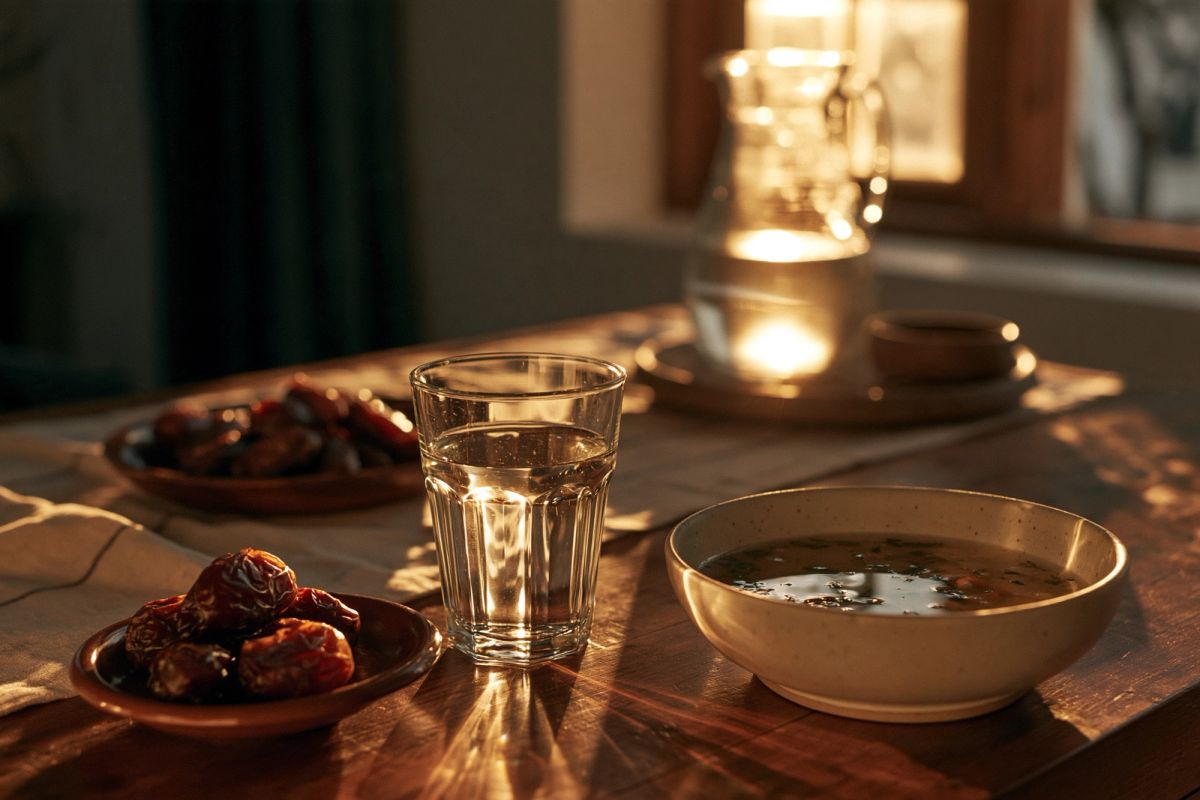
During Ramadan, your eating moves into two main windows: suhoor before dawn and iftar after sunset. The aim is steady energy and good hydration, rather than eating as much as possible in the time available.
At suhoor, include protein, fibre and slower-digesting carbohydrates, such as eggs, yoghurt or labneh, foul or lentils, oats and wholegrain bread, with some fruit or vegetables. These foods tend to keep you fuller for longer than sugary or very salty options. Drink water with the meal.
Breaking the fast with dates and water is a long-standing tradition and a gentle way to start. Pause, then follow with a balanced meal: soup, a portion of protein, vegetables or salad, and a modest amount of rice, bread or other carbohydrates. Eating slowly helps you notice when you are full.
Fried pastries, very sugary sweets and heavy dishes are fine as an occasional treat, but if they fill most of your iftar you may feel sluggish and thirsty. Try to make them a small part of the meal rather than the main event.
Spread your fluids between iftar and suhoor rather than drinking a lot at once. Water, milk, laban and soups all count, and limiting tea, coffee and fizzy drinks late in the evening can help your sleep. A short walk after iftar is a gentle way to stay active.
Some people should speak to their doctor before fasting, or before changing their routine, including those with diabetes, pregnant or breastfeeding women, people with kidney, heart or other long-term conditions, and anyone taking regular medicines. Islamic guidance allows exemptions where fasting could cause harm, and your doctor and a religious scholar can help you decide. If you feel unwell while fasting, for example dizzy, faint or confused, seek help.
References
References will be listed here.